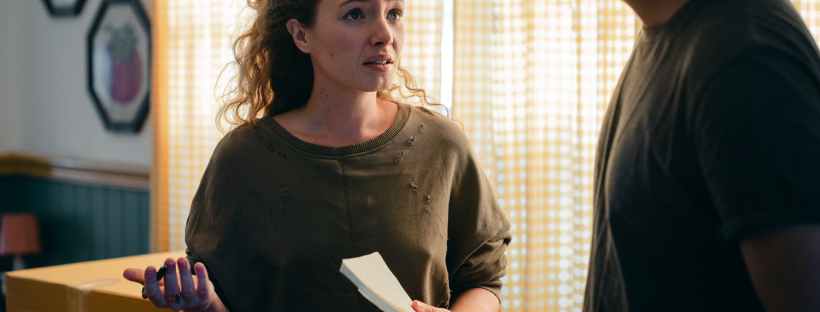
The role of a family caregiver often starts unexpectedly, especially when a loved one faces a sudden health crisis, such as a car accident, followed by a Parkinson’s disease diagnosis. This dual burden can lead to a complex caregiving situation that requires a delicate balance of compassion, knowledge, and resilience. In this extended guide, we aim to provide comprehensive support and advice to help family caregivers navigate these challenging circumstances.
The Complexities of Dual Health Challenges
When a family member is recovering from an accident and is simultaneously diagnosed with Parkinson’s, the caregiving responsibilities intensify. Parkinson’s disease, a condition that primarily affects movement, can complicate recovery from physical trauma. Understanding the intricacies of both conditions is crucial for effective care management.
Hospital to Home Transition
The journey home from the hospital marks a significant transition. Caregivers often face the daunting task of taking over where medical professionals left off, without the benefit of formal training or preparation. This transition can be a source of stress and uncertainty, as caregivers grapple with new routines and responsibilities.
Learning to Caregive
Family caregivers may find themselves thrust into a role that requires rapid acquisition of skills – from managing medication and mobility aids to understanding the psychological impacts of both the accident and Parkinson’s. This process can be overwhelming, but gaining these skills is essential for providing effective support.
The Reality of Home Healthcare Services
Many caregivers have expectations of a supportive and comprehensive home healthcare system. However, the reality often involves navigating a complex and sometimes fragmented system, where services like daily personal care assistance may be limited or unavailable.
Developing a Parkinson’s-Specific Care Plan
- Understanding Parkinson’s Disease: Educate yourself about Parkinson’s. Knowledge about the disease’s progression, symptoms, and management strategies is key to providing quality care.
- Adapting Home Environment: Modify your home to accommodate the mobility needs of your loved one. This might include installing grab bars, using a wheelchair-accessible shower, or rearranging furniture for easier navigation.
- Managing Medications: Parkinson’s medication regimens can be complex. Learn about the medications, their timing, and effects to manage them effectively.
- Coordination with Healthcare Providers: Regularly consult with healthcare professionals who specialize in Parkinson’s and post-accident recovery. Their guidance is invaluable in creating an effective care plan.
- Physical and Occupational Therapy: Explore therapy options to aid in recovery and manage Parkinson’s symptoms. Therapists can provide exercises and routines that improve quality of life.
Supporting the Caregiver:
- Finding Your Support Network: Connect with caregiver support groups, both in-person and online. Sharing experiences can provide emotional support and practical caregiving tips.
- Respite Care is Essential: Utilize respite care services to take necessary breaks. Caregiving is demanding, and taking time for yourself is crucial to maintain your health and well-being.
- Financial and Legal Planning: Consider the financial implications of long-term care. Seek advice on legal matters like power of attorney and healthcare directives.
- Prioritizing Self-Care: Engage in activities that support your mental and physical health. Whether it’s a hobby, exercise, or spending time with friends, self-care is vital.
Embarking on the journey of caregiving for a loved one with Parkinson’s following an accident is undoubtedly challenging. It requires adapting to new roles, learning new skills, and finding strength in the face of adversity. Remember, as a caregiver, you are not alone. By seeking out resources, connecting with others, and taking care of your own needs, you can navigate this journey with compassion and resilience. Your role is challenging but incredibly important, and your dedication is a testament to the strength of the human spirit.
TLDR: Caring for a Parkinson’s patient post-accident is tough. Educate, adapt, seek support, and remember self-care to navigate this journey.
 Contemplative Caregiver