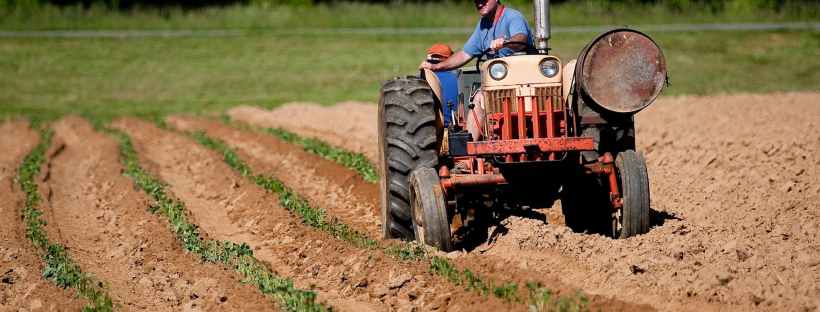
Caregivers in rural areas face unique challenges, including limited access to specialized resources and feelings of isolation due to geographic distance. Cultivating a strong sense of community and connection is crucial for support, inspiration, and practical assistance. This guide offers strategies for rural caregivers to build robust networks.
Utilizing Local Community Centers
Community centers serve as vital hubs in rural areas, offering a range of activities and resources that are incredibly beneficial for caregivers. These centers often host various events, workshops, and classes that can be immensely helpful. For caregivers, these places are not just about finding resources; they are also about connecting with others who share similar experiences. By regularly visiting community centers, caregivers can tap into a wealth of knowledge and support, finding out about local caregiver support initiatives, educational programs, and even leisure activities that can provide a much-needed break from their responsibilities.
Attending events and classes at these centers also opens up opportunities for caregivers to meet others in similar situations. This can lead to the formation of informal support networks, where caregivers can share tips, offer emotional support, and sometimes even coordinate to provide respite care for each other. Furthermore, community centers sometimes collaborate with health professionals and organizations to provide specialized workshops and seminars on topics relevant to caregivers, such as managing specific health conditions, legal advice, or stress management techniques.
Engaging with Local Churches and Faith Communities
In many rural areas, churches and other faith-based organizations are integral to community life. These institutions often extend their support to include caregiving resources. Many churches and faith communities understand the challenges faced by caregivers and offer various forms of assistance, from support groups to respite care and volunteer services.
Engaging with these organizations can provide caregivers with a multifaceted support system. Support groups hosted by faith communities can offer a safe space for caregivers to share their experiences and challenges in a supportive and understanding environment. These groups can also be a source of practical advice and emotional support, helping caregivers navigate their roles more effectively.
In addition to support groups, many religious organizations also offer respite care services, either directly or through connections with local service providers. This respite care can be invaluable, giving caregivers much-needed breaks and helping them avoid burnout. Additionally, these communities often have a pool of volunteers who can assist with tasks like transportation, meal preparation, or even companionship for the person being cared for, providing practical help to ease the caregiver’s burden.
Participating in Online Support Groups and Forums
The advent of the internet has brought about significant changes in how caregivers can seek support and information. Online support groups and forums are particularly beneficial for caregivers in rural areas, where access to resources and face-to-face support groups may be limited. These online platforms break down geographical barriers, allowing caregivers to connect with a broader community.
Participating in these online groups can help reduce feelings of isolation, as caregivers can interact with others who understand their situation and can offer empathy, support, and practical advice. These forums provide a space where caregivers can ask questions, share their experiences, and learn from others who have faced similar challenges.
Many online groups are moderated by professionals who can provide expert advice and guidance. Additionally, these platforms often have a wealth of information in the form of articles, webinars, and videos that can educate and empower caregivers. They can learn about coping strategies, new caregiving techniques, and stay updated on any advancements in healthcare that might impact their caregiving journey.
Creating Your Own Support Group
In rural areas, where professional caregiving support may be sparse, starting your own support group can be a transformative step. Initiating a local caregivers’ group can begin informally, perhaps with just a few caregivers in your area coming together to share experiences, advice, and support. These meetings can provide a space for emotional support, practical caregiving tips, and even just a chance to socialize and connect with others who understand the unique challenges of caregiving.
To begin, identify other caregivers in your community who might be interested in joining. You can reach out through local community boards, social media, churches, or even by word of mouth. Once you have a few interested individuals, plan your first meeting. Choose a comfortable, accessible location and set a relaxed, welcoming tone to encourage open and honest communication.
Online tools and platforms can be invaluable in organizing and publicizing these meetings. Social media groups, event planning websites, and community forums can help spread the word and attract more members. As your group grows, you can consider inviting guest speakers, such as healthcare professionals or experienced caregivers, to share their knowledge and insights.
Volunteering at Local Organizations
Volunteering at local healthcare facilities, nursing homes, or community organizations is not only a noble pursuit but also a practical way for caregivers to build a network and learn from others’ experiences. By volunteering, caregivers have the opportunity to engage with a variety of people, including other caregivers, healthcare professionals, and those receiving care.
This experience can offer fresh perspectives on caregiving strategies and techniques. It also provides a deeper understanding of different health conditions and the various ways they can be managed. Moreover, volunteering can lead to the development of valuable relationships. These connections can be a source of support, advice, and encouragement, which is particularly beneficial in more isolated rural settings.
In addition to the personal growth and learning opportunities, volunteering can be incredibly fulfilling. It provides a sense of purpose and the satisfaction of contributing positively to the community. It also can offer a welcome change of pace from the regular caregiving routine, providing a mental and emotional break.
Connecting with Neighbors and Friends
Often, the support a caregiver needs can be found within their own community. Neighbors and friends, even those who may not have experience with caregiving, can offer invaluable support. They can provide practical help, such as running errands or helping with household chores, or emotional support in the form of companionship and a listening ear.
Building a support network with neighbors and friends begins with communication. Share your caregiving experiences with them, discuss the challenges you face, and don’t hesitate to specify the kind of support you need. You might be surprised at how willing people are to help, even in small ways.
Organizing regular get-togethers, like coffee mornings or neighborhood walks, can also foster a sense of community and support. These gatherings can serve as informal support group meetings, allowing everyone to share their experiences, offer advice, or simply enjoy each other’s company.
Attending Local Events
For caregivers in rural areas, local events like fairs, festivals, and community gatherings offer a valuable opportunity to connect with their community, reducing feelings of isolation that often accompany caregiving. These events are not just social occasions; they serve as important platforms for caregivers to meet others, exchange stories, and find comfort in shared experiences.
Participating in these events can provide a much-needed break from the daily routine of caregiving. It’s a chance to relax, enjoy different activities, and immerse oneself in the joy and camaraderie of community life. Local events also often feature health and wellness booths, which can be useful for caregivers seeking information and resources. These interactions can foster a sense of belonging and community support, which is vital for mental and emotional well-being.
Utilizing Social Media
In today’s digital age, social media platforms like Facebook, Instagram, and NextDoor have become powerful tools for caregivers, especially in rural areas where direct support may be limited. These platforms offer access to a wider caregiving community, breaking down geographical barriers and providing a space for caregivers to share experiences, resources, and advice.
Social media groups dedicated to caregiving can be particularly beneficial. These groups often feature discussions, Q&A sessions, and shared resources that can be invaluable for caregivers looking for advice or support. They also provide a sense of belonging to a larger community of people who understand the unique challenges of caregiving. Additionally, social media can be a great way to stay informed about local events and resources, as many organizations and support groups use these platforms to share information.
Leveraging Technology for Connection
Advances in technology have significantly enhanced the ability of caregivers in rural areas to connect with support systems. Video calls and virtual meetings allow caregivers to participate in support groups, consultations, and training sessions without the need to travel long distances. This can be particularly beneficial for those who find it difficult to leave their loved ones or who don’t have easy access to transportation.
Caregiving apps and online resources can also be immensely helpful. There are numerous apps available that help with medication management, appointment scheduling, and health monitoring. Online platforms often provide a wealth of information on various aspects of caregiving, from managing specific health conditions to legal and financial advice.
Building Relationships with Health Professionals
One of the most crucial aspects of caregiving in rural areas is establishing strong relationships with local healthcare providers. These professionals can be a direct source of support and access to vital resources. They can offer guidance on managing specific health conditions, provide referrals to specialists, and recommend local or online support resources.
Fostering these relationships involves open communication and regular engagement with healthcare providers. It’s beneficial for caregivers to attend medical appointments with their loved ones and actively participate in discussions about care plans and health management strategies. Building a rapport with healthcare providers ensures that caregivers are well-informed and can make the best decisions for their loved ones’ care.
Incorporating Self-Care into Routine
For caregivers, self-care is not a luxury; it’s a necessity. Engaging in activities that promote personal well-being is crucial for maintaining mental and physical health. This, in turn, enables caregivers to provide better care for others. Self-care can take many forms, such as regular exercise, which not only improves physical health but also reduces stress and increases energy levels. Hobbies and interests outside of caregiving can provide a much-needed mental break, offering a sense of normalcy and personal fulfillment.
Relaxation techniques like meditation, yoga, or simple breathing exercises can be especially beneficial. They help in managing stress, improving focus, and maintaining emotional balance. Caregivers should also prioritize adequate sleep and a balanced diet, as these are fundamental to overall health and well-being.
Exploring Educational Opportunities
Educational opportunities can be immensely beneficial for caregivers. Many community colleges or adult education programs offer classes that are relevant to caregiving, such as courses on health and wellness, nutrition, or stress management. These educational experiences provide valuable knowledge that can enhance caregiving skills.
Moreover, attending classes or workshops is a great way for caregivers to meet others in similar situations. This can lead to the formation of support networks where caregivers can share experiences and advice. Learning alongside others who understand the unique challenges of caregiving can be both comforting and empowering.
Collaborating with Local Businesses and Services
Local businesses and services can be valuable allies for caregivers. Many businesses are open to collaborating with caregivers, offering services, discounts, or resources that can aid in the caregiving process. For example, pharmacies might provide medication management advice, while local grocery stores could offer delivery services to ease the burden of shopping.
Engaging with these businesses can also foster a sense of community support. By establishing relationships with local service providers, caregivers can access resources more easily and may find new solutions to caregiving challenges.
Advocacy and Community Involvement
Caregivers can play a vital role in advocacy and community involvement. By advocating for caregiving issues, caregivers can help raise awareness about the needs and challenges faced in their role. This can lead to improved support systems and resources in the community.
Advocacy can involve participating in local council meetings, writing to legislators, or joining caregiver advocacy groups. By voicing their experiences and concerns, caregivers can influence policy and funding decisions that affect the caregiving community.
Community involvement also offers caregivers a chance to connect with others and build a support network. Engaging in community events, volunteer opportunities, or local initiatives can provide a sense of purpose and belonging, as well as an opportunity to meet others who share similar experiences.
Conclusion
Building community connections is essential for caregivers in rural areas to overcome feelings of isolation and access the support they need. By utilizing local resources, engaging with online communities, and connecting with others in your community, you can create a strong network of support and find strength in community and connection.
TL;DR: Caregivers in rural areas can build community connections by utilizing local community centers, engaging with faith communities, participating in online support groups, creating their own support groups, volunteering, connecting with neighbors and friends, attending local events, and using social media. By implementing these strategies, caregivers can overcome feelings of isolation and gain valuable support.
 Contemplative Caregiver