
Building Meaningful Referral Networks: A Mindful Approach for Mental Health Professionals
By Andrew Koch, MA, LPC | ContemplativeCaregiver.com
In today’s mental health landscape, building a strong, intentional referral network is not just good practice—it’s an ethical and relational act. For counselors, social workers, coaches, and caregiving professionals, connecting clients with trusted resources expands what we can offer and strengthens the caregiving ecosystem.
At Contemplative Caregiver LLC, our work is rooted in this philosophy. Whether we are providing individual counseling sessions, leading creative grief-processing groups like Brush With Grief, offering mindfulness-based retreats, or training family caregivers and community health workers, our commitment remains the same: honoring the interconnectedness of care.
Why Referral Networks Matter
A trusted referral network serves clients by ensuring their needs are met holistically. For mental health professionals, it also:
- Increases the quality and range of support we can offer
- Reduces feelings of isolation or overwhelm in complex cases
- Strengthens professional relationships across disciplines
- Aligns us with others who share our mission-driven approach
Building these networks thoughtfully requires more than passing around business cards—it asks us to lead with mindfulness, clarity, and heart.
Step One: Reflect on Your Core Values
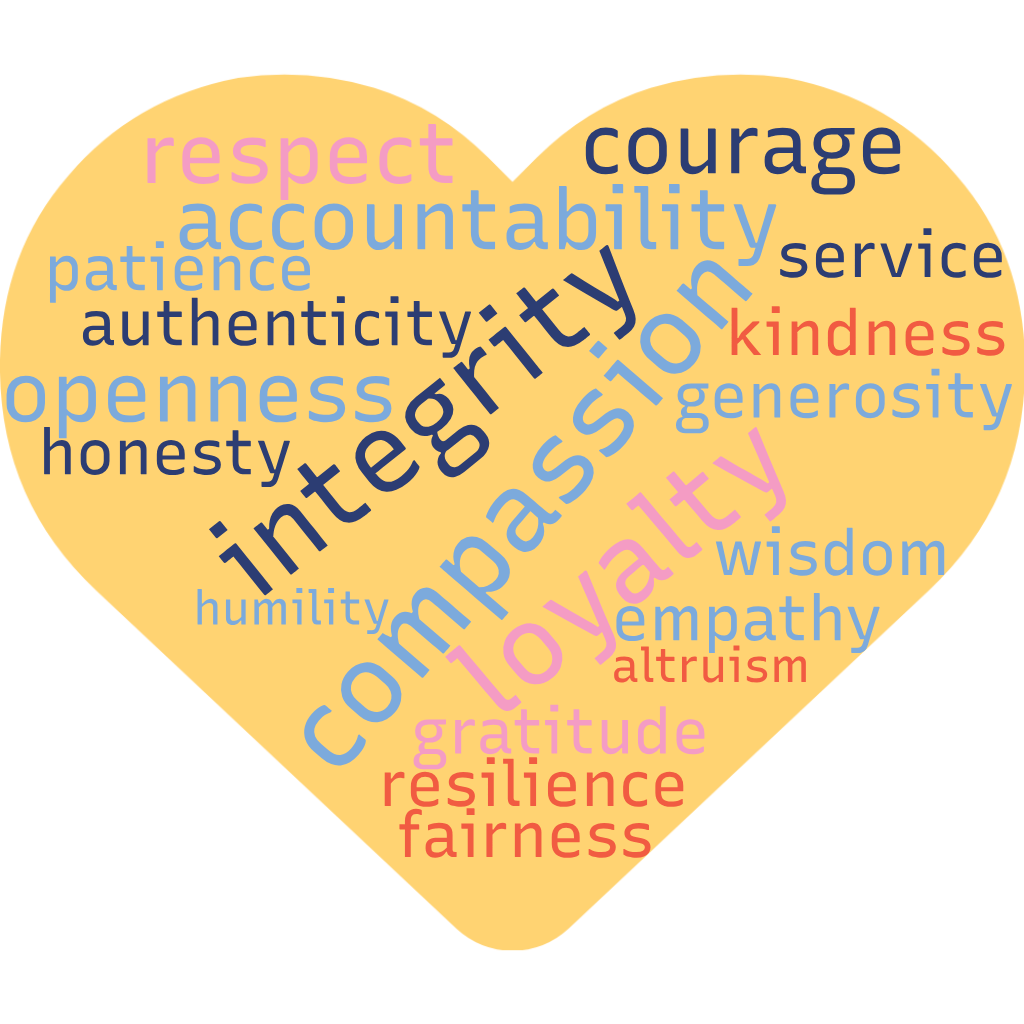
Before expanding your network, pause to reconnect with the values that guide your practice. At Contemplative Caregiver, we emphasize values such as compassion, dignity, autonomy, and cultural humility across all our services—from telehealth- therapy to therapeutic fishing in the natural settings of the Rocky Mountains.

Activity 1: Values Inventory
What are the three most important values you uphold when working with clients?
(Example: Empowerment, honesty humility, mindful presence.)
Your values will help you recognize which organizations and professionals align with your deeper mission.
Step Two: Map Your Current Network
You likely already have informal referral habits. Bringing them into conscious awareness helps you see your strengths and gaps.
Activity 2: Quick Mapping
Who are the top three professionals or organizations you currently refer to?
What makes these referrals successful—for both you and your clients?
In our work at Contemplative Caregiver, for example, we maintain connections with hospice providers, elder law attorneys, funeral homes like The Natural Funeral, and local caregiver resource centers—ensuring we can refer clients to the right care at the right time.
Step Three: Identify Gaps in Support
Often, client needs arise that highlight where our referral network could be stronger.
Activity 3: Gap Check
What are two areas where you wish you had stronger referral options?
(Example: Financial planners who understand caregiving needs, therapists offering DBT for young adults.)
At Contemplative Caregiver, we noticed a gap in services for young adult caregivers—which inspired us to design the Fishing Therapy and Caregiver Gaming groups tailored to their experiences.

Step Four: Build Relationships, Not Just Contacts
Mindful networking emphasizes relationships over transactions. When reaching out to a new referral source:
- Share a genuine interest in their work.
- Frame the conversation around shared commitment to client well-being.
- Offer reciprocity—consider ways you might support their mission, too.
Activity 4: Connection Plan
List one professional or organization you will reach out to this month. What value or shared interest connects you?
Whether it’s co-hosting a free caregiver planning workshop or simply sharing community resources, these collaborations enrich everyone involved.
Step Five: Nurture Your Network Mindfully
A strong referral network is like a living ecosystem. It requires care, attention, and renewal.
At Contemplative Caregiver LLC, we nurture our relationships by:
- Hosting caregiver retreats like the upcoming “Mindfulness & Grief Retreat” with guest speakers and partner agencies
- Organizing public education events like the Family Emergency Planning Clinic
- Offering peer consultation spaces like our Contemplative Mental Health Leadership Group (CMHLG)
Activity 5: Reflection
What is one insight you have about your referral network after reflecting about what you have learned?
What is one small step you can take this week to nurture it?
A Path Forward
Referrals are not just about who you know. They are about who you trust to extend your care when your client steps outside your immediate service. Building this network intentionally supports your growth as a practitioner—and strengthens the web of community care.
If you’re a mental health professional looking for a supportive community to grow alongside, we invite you to join our Contemplative Mental Health Leadership Group (CMHLG). Each session includes guided check-ins, skill-building exercises, and thoughtful discussions designed to foster professional development in an authentic, grounded way.
Learn more about our counseling services, outdoor caregiver coaching, creative healing groups, retreats, and leadership training opportunities at ContemplativeCaregiver.com
Together, we build not just practices, but communities of care.

 Contemplative Caregiver