
A media kit is more than a professional summary—it’s a living document that reflects who you are, who you serve, and why your work matters. At Contemplative Caregiver, we use our media kit to increase visibility, foster partnerships, and connect with caregivers and collaborators who share our values of mindfulness, cultural humility, and trauma-informed practice. In our next Contemplative Mental Health Leadership Group on June 12th – We will be talk all about your media kits, what are your wins, what are your missing pieces, and where can you share you impact with others?
This blog post will walk you through building your media kit using a structure that integrates personal clarity, professional presentation, administrative practices, and theory-grounded outreach. We will focus on some of the tougher pieces: Your Bio, Your Service Descriptions, Your Target Audience.
What is a Media Kit?
Whether you’re a solo clinician, a group practice leader, or a community educator, a media kit helps people understand what you do and how to connect with you. A media kit for Counselors, Social Workers, and Psychologists should include:
- Professional bios of varying lengths
- High-quality headshots
- Overview of services
- Target audience breakdown
- Contact information
- Branding and design elements (logo, tagline, colors)
- Recent program highlights
- Clear call to action
Two versions are recommended:
- Internal Media Kit: This version grows over time and includes drafts, bios, templates, and updates.
- External/Shareable Media Kit: This is your clean, reader-friendly file for partners, grant reviewers, or press.

How To Write Multi-Length Professional Bios As A Counselor Social Worker, or Psychologist.
Your bio is often the first—and sometimes only—thing someone reads about you before deciding to reach out. Whether you’re applying for a grant, speaking at a workshop, or submitting a listing to a directory, having bios of varying lengths ready to go increases your agility and credibility. More than just a resume in sentence form, a well-crafted bio communicates your values, approach, and lived presence in the field.
Having a set of multi-length bios allows you to meet the expectations of different platforms:
- A 5-word tagline distills your brand.
- A 50-word blurb fits social media bios and directories.
- A 150-word short bio is ideal for conferences, event programs or CEU listings.
- A 500-word long-form bio offers the depth needed for proposals, websites, or speaker introductions.
Rather than writing one and editing down, it helps to write each with intention from the start. The shorter the format, the more clarity and voice matter. Creating bios in multiple lengths helps you show up consistently and professionally across platforms, without repeating the same words every time. Each version serves a unique purpose—and together they offer a layered, humanized picture of who you are. Below, you’ll find a set of prompts to guide your writing, followed by examples from the founder of ContemplativeCaregiver.com Andrew Koch, MA, LPC. As you write yours, I recommend using a free tool like Word Counter to keep track of your word counts.
5-Word Bio
Prompt: What five words or phrases capture the essence of your work? Focus on tone, approach, and audience. Don’t try to explain everything—aim to evoke something.
Example: Caregiver-centered, creative, mindful therapy
Think: Would a stranger know what kind of space you’re creating just from these five words? What might they feel reading them?
50-Word Bio
Prompt: If someone introduced you at a small conference, how would you want to be described in a single sentence? Include your title, primary focus, who you serve, and how.
Example:
Andrew Koch, MA, LPC, is a Boulder-based therapist supporting caregivers, professionals, and grief survivors through nature-based creative healing. Founder of Contemplative Caregiver, he integrates mindfulness, cultural humility, and trauma-informed care in both individual and group settings across Colorado’s Front Range and beyond.
Think: How might different audiences receive these bios? Try writing one version for general public use and one for professional settings (e.g., LinkedIn, directories).
150-Word Bio
Prompt: Think of this as your “program booklet” or “event speaker” version. What are your credentials, specialties, values, and offerings? Focus on tone—relatable, not rigid.
Example:
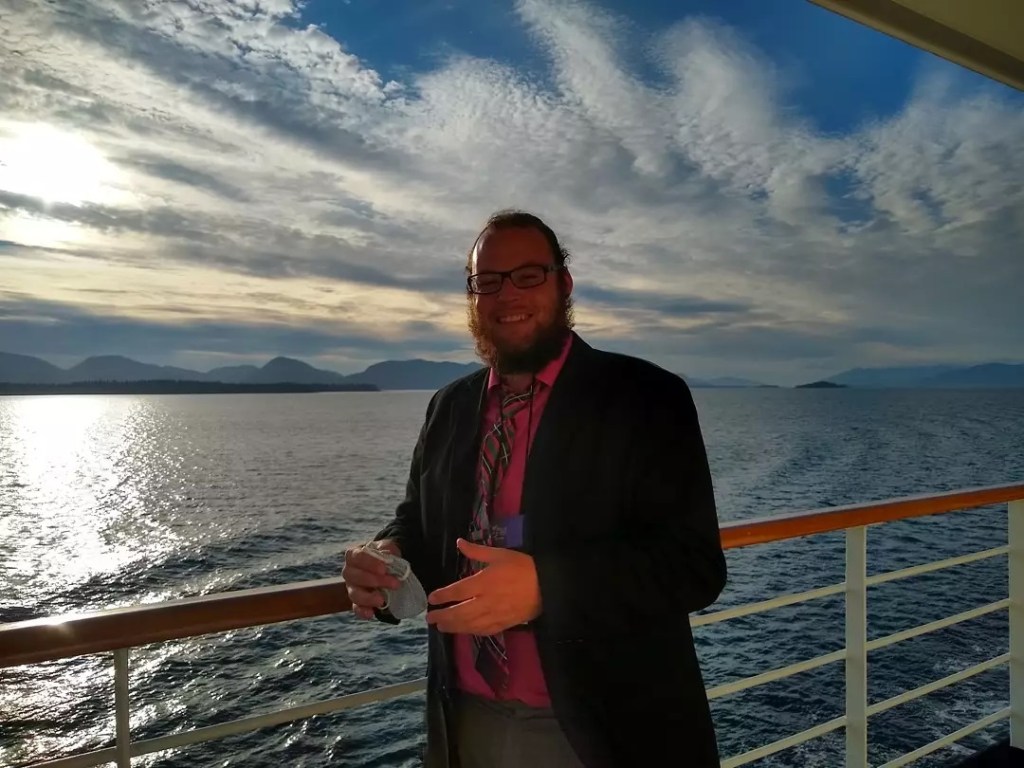
Andrew Koch, MA, LPC, is a Licensed Professional Counselor and the founder of Contemplative Caregiver in Boulder, Colorado. Specializing in caregiver mental health, grief processing, and trauma-informed approaches, Andrew provides therapy, supervision, and workshops grounded in mindfulness and strength-based practice. His programs include Brush With Grief, a nature and art-based group for grief support; Fishing Therapy, which blends outdoor engagement with trauma recovery; and the Caregiver Gaming Group, a digital community where caregivers connect through co-op and narrative-based video games. Andrew’s approach combines cultural sensitivity, ecological awareness, and deep listening. He accepts most insurance plans and offers sliding-scale sessions.
Think: After you draft yours, read it aloud. Does it sound like you—or just a list of achievements?
500-Word Bio
Prompt: Tell the story of your practice. How did you arrive at this work? Who do you serve, and what philosophies ground your approach? Include your credentials, collaborations, and personal mission.
Example:
Andrew Koch, MA, LPC, is a Licensed Professional Counselor, educator, and retreat facilitator based in Boulder, Colorado. As the founder of Contemplative Caregiver, Andrew serves family caregivers, mental health professionals, and those facing chronic grief and burnout. As a former CNA in Indiana and Colorado, his clinical work is rooted in mindfulness-based, trauma-informed care with a focus on strengths, resilience, and social context. Andrew holds a master’s degree in Mindfulness-Based Transpersonal Counseling and brings nearly a decade of professional caregiving, care education, and and leadership to his work.
Through Contemplative Caregiver, he offers individual counseling, professional supervision, and creative, emotional outlets such as Brush With Grief, Fishing Therapy Groups, and the Caregiver Gaming Group. These programs integrate nature, creative process, and play into traditional therapeutic frameworks. His unique ability to combine symbolic art, contemplative dialogue, and ecological healing speaks directly to caregivers seeking space for both meaning and renewal. Andrew is a thought leader in caregiver mental health, with experience speaking to caregivers across North and Central America and aims to establish mental health services for caregivers across the Rocky Mountains from Canada to Mexico.
Andrew’s identifies as Queer and is inclusive of diverse identities and underrepresented groups including LGBTQAI2S+, BIPOC, and disabled caregivers. He is credentialed with major insurance providers and provides sliding scale rates, outdoor sessions, and telehealth. Andrew partners with organizations such as CareYearsAcademy.com and Medicine Horse to bring programming to community-based settings and libraries across the state.
Think: When you read your bios—from the shortest to the longest—does a consistent voice emerge? Do they all sound like the same person? Now ask: what deeper truth or invitation is present in each one? Are you telling people what you do—or showing them who you are?
How to Write an Overview of Services as a Counselor, Social Worker, or Psychologist
Prompt: What offerings do you provide that meet people where they actually are—emotionally, physically, culturally, and structurally? How does each service reduce barriers and increase access to care?
Contemplative Caregiver LLC provides integrative therapeutic services and community-based programs for individuals navigating caregiving, grief, trauma, and long-term stress. Each offering is designed with accessibility, creativity, and cultural humility at its core. We serve clients in offices, on trails, beside lakes, in community rooms, and across digital platforms—meeting people not just in sessions, but in their lives.
Individual Therapy and Counseling
Who it’s for: Family caregivers, grief survivors, helping professionals, and those experiencing burnout or complex trauma.
What it offers: Weekly or biweekly sessions grounded in mindfulness-based, strengths-focused, and trauma-informed care. Available via telehealth, in-office, or outdoors.
What makes it different: Sessions may include narrative therapy, somatic tracking, or nature integration. Sliding scale and insurance billing available.
Think: What’s your real strength in session? Do you help people name unspoken patterns, reconnect with their breath, or explore identity through drawing, movement, or metaphor? For example: “I specialize in telehealth sessions for rural caregivers using breathwork and reflective prompts.” Or “I offer EMDR intensives for healthcare workers living with moral injury.”
Brush With Grief
Who it’s for: Anyone grieving a death, relationship, identity, or life chapter. Often includes caregivers, students, and healthcare workers.
What it offers: A six-week or single-day group integrating storytelling, breathwork, brushmaking with natural materials, and symbolic art.
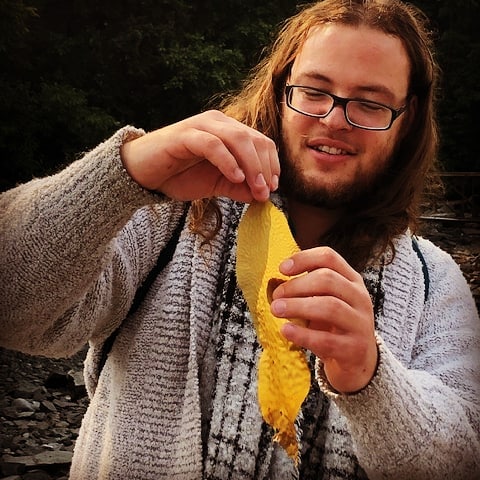
What makes it different: Participants create brushes from animal pelts, hair, sticks, and sinew—transforming grief into tactile, ritual-based healing.
Think: Do you use art, music, or movement as a vehicle for healing? If so, how do you structure those moments? What’s your version of “brushmaking”? Example: “I guide sand play therapy for grieving teens to safely project internal conflict.” Or “My grief group uses music improvisation and collage to give voice to loss.”
Fishing Therapy Groups
Who it’s for: Veterans, caregivers, men, young adults, and individuals with trauma histories who find healing in movement, ritual, and stillness.
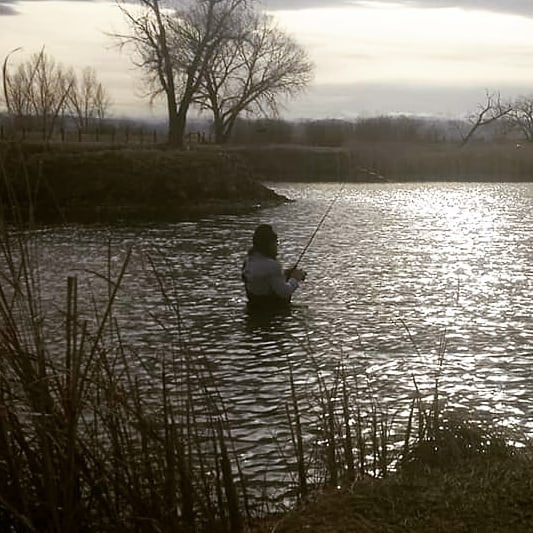
What it offers: Two- or four-week guided fishing sessions at lakes like Coot Lake or St. Vrain State Park. Includes therapeutic check-ins, peer support, and ecological reflection.
What makes it different: Fishing becomes a ritual for grief, a method for grounding, and a way to process trauma through rhythm and presence.
Think: Do you bring people outside or into their bodies through movement? Think: “I lead wilderness therapy river trips for veterans facing chronic trauma.” Or “I offer mindfulness hiking and cold-water immersion for stress recovery.”
Caregiver Gaming Group
Who it’s for: Digital-native and neurodivergent caregivers, young adults, and anyone needing connection through nontraditional means.
What it offers: Weekly online game-based therapy group and quarterly in-person retreats using cooperative, story-driven games. Includes community building, reflective dialogue, and emotional regulation.
What makes it different: Gaming is used as a therapeutic container—offering metaphor, co-regulation, and accessibility for those who don’t resonate with talk therapy.
Think: What unconventional tools do you use that still help people feel seen? Do you meet clients on Discord, use graphic novels, or structure therapy around shared activity? Example: “I use tabletop games to help autistic teens build social narratives and resilience.” Or “I run Animal Crossing grief circles for young adults in hospice care.”
Contemplative Mental Health Leadership Group (CMLG)
Who it’s for: Therapists, coaches, social workers, clinical interns, and future supervisors seeking reflective space, leadership development, and peer consultation.
What it offers: Biweekly 90-minute meetings with personal, professional, administrative, and theoretical check-ins. Includes seasonal retreats, rotating guests, and workbook activities.
What makes it different: The group emphasizes values-based leadership, collective accountability, and non-hierarchical professional development.
Think: How do you support other professionals beyond direct care? Think mentorship, facilitation, hosting dialogues, or guiding interns. Example: “I run monthly ‘Supervision and Supervision of Self’ groups for queer clinicians.” Or “I lead expressive arts supervision using movement, mask work, and seasonal ritual.”
Clinical Supervision (Launching Fall 2025)
Who it’s for: Postgraduate mental health professionals seeking clinical hours, guidance, and business mentorship.
What it offers: One-on-one and small-group supervision grounded in contemplative practice, ethical clarity, and reflective depth. Available virtually and outdoors.
What makes it different: Integrates supervision with symbolic, systemic, and ecological frameworks. Affirms personal development alongside theoretical growth.
Think: What would make your supervision space nourishing? What methods would you pass on? Example: “I provide tele-supervision for BIPOC interns using narrative therapy and social justice mapping.” Or “My group supervision uses dreamwork, embodied check-ins, and reflective journaling.”
Public Workshops, CEUs, and Community Events
Who it’s for: Libraries, nonprofits, caregiver orgs, community centers, and local agencies.
What it offers: CE-accredited trainings, grief circles, planning clinics, and experiential education rooted in lived experience.
What makes it different: Programs are co-created with host partners and grounded in ritual, storytelling, and accessibility—often held outside clinical environments.
Think: What do you teach or facilitate that could move beyond your office? Think: “I teach about trauma in aging communities using holistic education in churches and faith communities.” Or “I offer expressive grief circles for funeral directors and hospice nurses.”
Therapeutic Retreats
Who it’s for: Family caregivers, professionals, and community members seeking intensive, restorative space away from daily pressures.
What it offers: Weekend or multi-day retreats integrating group process, contemplative time in nature, art-making, ritual, and embodied healing.
What makes it different: Retreats are grounded in local ecology, seasonal symbolism, and spiritual hospitality. They combine creative practice with rest, reflection, and depth.
Think: If you stepped outside your regular format, what kind of healing space would you build? Where would it happen? Who would be invited? Example: “I lead yoga retreats for queer parents under the full moon.” Or “I co-facilitate silent meditation and fire-circle storytelling weekends at a forest lodge.”
Using the AIDA Model to Help Counselors, Social Workers, and Psychologist Engage Their Audiences.
Prompt: How does someone go from not knowing who you are to feeling invited, seen, and ready to take action? What guides them through that journey?
The AIDA model—Attention, Interest, Desire, Action—is a framework to help shape communication that is clear, respectful, and motivating. When applied to a media kit, it can help potential clients, partners, or organizations move from passive awareness to meaningful connection.
Attention
This is the first point of contact. Use images that are grounded in reality—photos of sessions, art pieces created in group, nature-based settings, or moments of interaction that reflect your actual work. These images should evoke presence and specificity, not just illustrate a concept.
Examples: a close-up of a grief brush, a snapshot of a quiet lakeside during fishing therapy, or an overhead shot of a tabletop covered in painted story cards.
Prompt: What moment in your work makes someone stop and feel something just by looking at it?
Interest
After gaining attention, the next step is to build emotional connection. This is where you include quotes, micro-stories, or language that speaks to the lived experience of your audience. Interest is built through tone, storytelling, and resonance.
Examples: “I hadn’t spoken about the funeral in years, but the act of tying elk sinew to that brush changed something.” “We didn’t even speak the first 30 minutes of the fishing session—and that was perfect.”
Prompt: What is one sentence or moment that someone shared with you that explains why they kept coming back?
Desire
Now the person is invested. Desire comes from showing the transformation—how this work reduces suffering, deepens self-understanding, or creates relief. You are not selling the method, you are naming the possibility it unlocks.
Examples: “Caregivers begin to reclaim time that isn’t centered on crisis.” “Participants describe feeling like they can breathe again—for the first time in months.”
Prompt: What kind of relief, insight, or connection do your clients experience that they didn’t expect?
Action
Once someone wants to connect, make the next step clear and accessible. Don’t be vague. Give them a door they can walk through right now, even if it’s small.
Examples: “Schedule a 20-minute consult.” “Register for our Brush With Grief event.” “Download our service summary.” “Invite Andrew Koch to speak at your training.”
Prompt: What is the clearest, kindest next step someone can take if they feel drawn to your work?
This model helps your media kit become not just descriptive, but connective. Instead of simply telling people what you offer, AIDA helps you create a clear path they can follow—one built on respect, resonance, and permission.

How To Write About Your Target Demographic for Counselors, Social Workers, and Psychologists
Prompt: What problem are you built to solve—and for whom? What do your actual clients need, feel, avoid, and hope for? A clear business overview doesn’t just outline what you offer—it explains why it matters to the people you serve.
Contemplative Caregiver LLC is a Colorado-based therapy and education practice providing trauma-informed, mindfulness-based, and creativity-driven services to family caregivers, mental health professionals, and communities carrying long-term stress. Our offerings include individual therapy, group work, outdoor therapy, workshops, retreats, and seasonal programming that integrate natural materials, story, and somatic presence. Our services are low-barrier, mobile, culturally responsive, and designed to meet people wherever they already are—emotionally, physically, socially, and spiritually.
Our income model blends insurance billing, private pay, grant-funded programming, CEU partnerships, and community-based sponsorships. We maintain sliding scale access, flexible scheduling, and options for both virtual and in-person engagement. In Fall 2025, we will add clinical supervision services for post-graduate counselors.
Target Demographic
Primary Clients:
– Family caregivers, ages 25–65, often caring for elders with dementia, disabled partners, or adult children
– BIPOC caregivers experiencing medical racism, housing and service barriers
– LGBTQIA2S+ caregivers in chosen family roles or marginalized care contexts
– Disabled caregivers or recipients in mutual care dynamics
– Student caregivers balancing academic work and invisible labor
– Low-income adults navigating complex grief, chronic stress, or care collapse
Secondary Clients:
– Mental health professionals in need of reflective supervision, community consultation, or clinical restoration
– Young adults with early caregiving histories or emerging leadership in care-based roles
– Helping professionals (CNA, hospice, nurses, CHWs) carrying vicarious trauma or moral injury
– Neurodivergent clients and gamers looking for regulation, narrative work, or community
– Veterans and outdoors-oriented adults seeking alternatives to office-based talk therapy
Client Snapshot with Mind–Body–Speech Assessment
The Mind–Body–Speech Assessment is a non-diagnostic tool you can use to build your ideal client snapshot. I learned about the MBS model during a course led by Joe Soma.
Example: A 35-year-old bilingual Latina woman caring for her mother with early-onset dementia. She works part-time in a dental office, has no siblings, and lives in a rental home with extended family. She has stopped attending church and avoids talking to friends about her stress.
Mind: Scattered, hypervigilant, anticipatory. She worries about future needs while replaying moments of perceived failure.
Body: Tension in shoulders and gut, interrupted sleep, chronic fatigue, heart palpitations during moments of overwhelm.
Speech: “I’m fine,” said with a smile. Language is often minimized, overly formal, or flattened. Uses humor to deflect.
Prompt: Choose 1–2 real people you’ve served who deeply align with your purpose. What do your clients think they have to hide? What does their body say before they do? What do you notice about how they describe themselves—or avoid doing so?
– Mind: What patterns, narratives, or emotional themes show up? Are they focused, anxious, disconnected, alert, shut down?
– Body: Where is tension? Are they expressive, frozen, fidgeting, heavy? What rhythms do they carry?
– Speech: Do they speak directly? Circle around emotion? Use formal language, metaphor, silence?
Prompt: How would your work change if you spoke directly to this real client, instead of an imagined general audience?
This approach gives you not just a demographic—but a felt sense of who your people are, how they carry their pain, and what it takes to meet them with integrity.
Organizing Your Professional Media Kit For Counselors, Social Workers, and Psychologists
Prompt: What systems can you put in place so that your media kit is not just a document—but a tool? How do you keep it updated, accessible, and aligned with your growth?
The media kit is not static. It lives alongside your evolving identity as a practitioner and professional. To stay relevant and useful, your materials need a structure that’s both intuitive and adaptable. This means creating systems for organization, versioning, and accessibility that reduce friction when you need to share your work—or revise it in a moment of change.
Organize your files with clarity and purpose. This not only makes updates easier—it reinforces your own narrative coherence. Suggested folder structure:
- /01_Bios – Store your 5, 50, 150, and 500-word versions, with dated revisions
- /02_Headshots – Include multiple high-resolution images (color + B/W, vertical + horizontal)
- /03_Logos + Design Assets – Logos, brand colors, font files, and any design templates
- /04_Service Descriptions – Keep updated versions of program summaries with word counts (short, medium, long)
- /05_Upcoming Events – Include finalized flyers, press releases, and promotional blurbs
- /06_Testimonials – Screenshots or text versions of participant quotes or professional feedback
- /07_External Media Kit – The polished PDF or webpage version you actively send out
- /08_Internal Master Kit – The editable, evolving file with notes, outlines, and future offerings
Tip: Save files with versioning in the name (e.g., “150bio_Feb2025_v2”) and note major changes in a changelog.
Formatting and Updating the Kit
Create a clear visual hierarchy using consistent headers, font sizes, and spacing. Avoid clutter. A professional media kit should read like a thoughtful letter, not a sales deck.
Set a regular cadence for updates. Consider reviewing and refreshing quarterly (January, April, July, October), or immediately after:
- A new program launch
- A major event or guest teaching invitation
- A shift in credentials, offerings, or branding
- Adding clinical supervision or a CEU-accredited course
- Maintain two separate but connected versions of your media kit:
Internal Master Kit
Includes early drafts, personal notes, working bios, event planning documents, and future offerings (e.g., your plan to begin clinical supervision in Fall 2025). This version is a space to think and refine—not to distribute.
External/Shareable Kit
This is the clean, formatted version you send to collaborators, press, or funders. Everything included is final, polished, and clearly labeled. Deliver it as a PDF, a private webpage, or a link to a Google Drive folder with view-only permissions.
Think: What parts of your professional story are you always rewriting—or avoiding—because the systems around them aren’t in place? If someone asked for your bio and headshot today, would it be ready? What would change if that answer were always yes?
Final Reflections
Knowing your audience isn’t about niche marketing—it’s about respect. When you understand the mind, body, and voice of the people you serve, your work becomes more than a service. It becomes a conversation they can step into.
- Who are your actual clients—not your imagined ones, but the people who have already found you?
- What do they need to hear from you in your bio, your flyer, or your retreat description to know you see them?
- Are your materials written for your colleagues—or for the woman whose jaw tightens every time her phone rings, because she thinks it might be the nursing home again?
Your media kit doesn’t just need a clear audience—it needs a clear voice. One that shows up with compassion, precision, and an honest invitation to healing.
Want personalized feedback on your media kit? Join our Contemplative Mental Health Leadership Group on June 12 and June 26. We’ll be working through drafts, sharing feedback, and hearing from guest expert Rachel Hiles on how to grow your online impact with clarity and care.
Upcoming Live Sessions: June 12 and June 26 to go deeper.
On June 12, we’ll walk through the basics of building your media kit—bios, images, service descriptions, and more.
On June 26, we welcome special guest Rachel Hiles, MPA—caregiver advocate and founder of nth degree media & designs—for a session on digital presence, social media, and authentic online branding for care-focused professionals.
Both sessions are part of our June series on Developing an Online Presence, offered through the Contemplative Mental Health Leadership Group (CMLG).
Bring your questions, your in-progress drafts, and your real-life examples.
We’re not building a brand. We’re building clarity around the work that already matters. And the people who already need it.
Let’s build together. If you are a caregiver, therapist, organizer, or supporter—this work is for you. Join our sessions, partner on events, or explore how your story belongs in the care revolution.
© 2025 Contemplative Caregiver LLC. All rights reserved.
 Contemplative Caregiver