
Caregiving can be a rewarding and fulfilling experience, but it often comes with its share of challenges. One of the most significant obstacles caregivers face is the stress associated with their role. This stress can take a toll on caregivers’ physical health, leading to a variety of issues. Let’s explore the connection between caregiver stress and physical health and provide ways to counteract its effects.
Acute vs Chronic Stress
Stress is a universal human, plant, and animal experience. Stress manifests in two primary forms: acute and chronic. Acute stress is the body’s immediate response to a perceived threat or challenge, often referred to as the “fight or flight” reaction. This type of stress is short-term, typically triggered by specific events, and can actually be beneficial in small doses, increasing alertness and energy levels.
In contrast, chronic stress is a prolonged and constant feeling of pressure, often emerging from ongoing life situations such as work pressure or long-term health problems. Unlike acute stress, chronic stress can have detrimental effects on the body, leading to a host of health issues like weakened immune function, cardiovascular diseases, and mental health disorders. The key difference lies in their duration and impact: while acute stress is transient and can be adaptive, chronic stress can lead to persistent, harmful changes in physiological, emotional, and behavioral responses.
Post Traumatic Stress Disorder
From a caregiving perspective, Post Traumatic Stress Disorder (PTSD) presents unique challenges. Caregivers can develop PTSD through vicarious trauma, experiencing significant emotional distress after prolonged exposure to a care recipient’s trauma-related stories or behaviors. Symptoms like flashbacks, disturbed dreaming, avoidance, mood changes, and heightened reactions can emerge, impacting the caregiver’s ability to provide effective care. Check out our friends from HumanisticConseling.com and their article on Nightmares & PTSD.
When caring for someone with PTSD, understanding and patience are key. Creating a safe, stable environment and encouraging engagement in therapy, such as cognitive-behavioral therapy or EMDR, are essential. Medications may also be used to manage symptoms. Caregivers should be mindful of triggers and adopt a supportive approach, offering reassurance and understanding. Remember to use validation therapy as much as possible. Self-care is vital for caregivers to prevent burnout and vicarious traumatization. Regular breaks, seeking support from therapist or support groups, and engaging in self-care activities can help maintain their well-being while providing compassionate care.
Stress Circuits
The Hypothalamic-Pituitary-Adrenal (HPA) axis is a central stress response system in the body that plays a crucial role in regulating reactions to stress. It involves a complex interaction between the hypothalamus, pituitary gland, and adrenal glands.
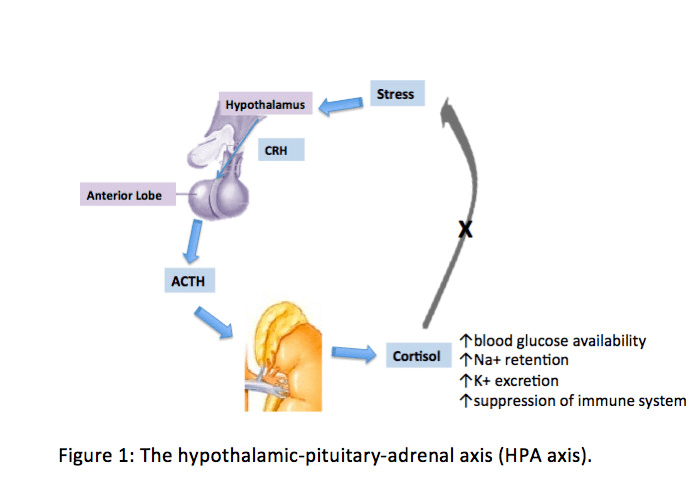
- Hypothalamus Activation: When the brain perceives a stressor, the hypothalamus releases corticotropin-releasing hormone (CRH).
- Pituitary Gland Response: CRH stimulates the pituitary gland to secrete adrenocorticotropic hormone (ACTH).
- Adrenal Gland Activation: ACTH prompts the adrenal glands to produce cortisol, a key stress hormone.
- Feedback Loop: Elevated cortisol levels signal the hypothalamus and pituitary gland to reduce CRH and ACTH production, balancing the stress response.
The Sympathetic-Adrenal-Medullary (SAM) axis is a critical component of the body’s stress response system, functioning alongside the HPA axis. It plays a key role in the body’s immediate reaction to stress, often characterized by the ‘fight or flight’ response. Here’s how the SAM axis operates:
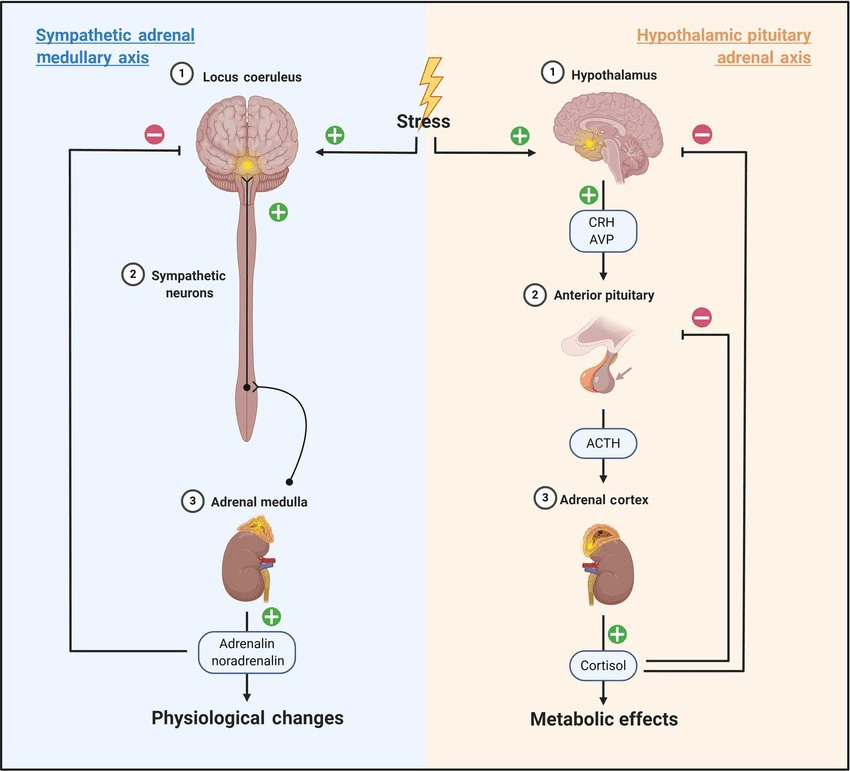
- Stress Perception: Activation of the sympathetic nervous system upon detecting stress.
- Adrenaline Release: The adrenal medulla releases adrenaline and noradrenaline.
- Immediate Response: These hormones increase heart rate and blood pressure, mobilizing energy.
- Quick and Transient: The SAM axis response is rapid and short-lived, in contrast to the slower, sustained response of the HPA axis.
Physical and Psychological Interplay:
- Physiological Response: These stress systems prepare the body for “fight or flight” responses. Prolonged activation, however, can lead to chronic health issues like hypertension, heart disease, and weakened immune function.
- Psychological Impact: Chronic stress can contribute to mental health issues like anxiety, depression, and mood disorders. The body’s stress response is closely linked with emotional regulation and cognitive functions, showing how psychological factors can influence physical well-being.
Understanding these systems highlights the importance of managing stress for overall health, as prolonged activation can have detrimental effects on both the body and mind. Andrew et al., 2017, shows evidence that the impact and burden of caregiving for persons with dementia not only increases cortisol level but caregivers had poorer performance scores in attention and executive functioning tests.
Additional Impacts of Chronic Stress
Weakened Immune System: Chronic stress suppresses the immune system, making caregivers more vulnerable to infections and illnesses. This reduced immunity can lead to frequent colds, flu, and other health complications, impacting their ability to provide care.
Sleep Disturbances: High stress levels are commonly linked with sleep issues like insomnia. This lack of quality sleep can cause fatigue, mood swings, and impaired concentration, which can affect caregiving abilities and personal well-being.
Risk of Chronic Conditions: Prolonged stress exposure significantly increases the risk of developing chronic health issues such as heart disease, diabetes, and obesity. These conditions arise from the body’s continuous state of heightened stress, which can disrupt normal metabolic and cardiovascular functions.
Gastrointestinal Issues: Stress can also negatively impact the digestive system, leading to problems like irritable bowel syndrome (IBS), ulcers, and acid reflux. These issues not only cause discomfort but can also affect the caregiver’s diet and nutrition, further exacerbating health problems.
Musculoskeletal Pain: Long-term stress often manifests as physical pain, particularly in areas like the neck, shoulders, and back. This is typically due to muscle tension and poor posture during caregiving tasks. Persistent musculoskeletal pain can limit a caregiver’s ability to perform their duties effectively and reduce their overall quality of life.
Counteract the Impact of Caregiver Stress on Physical Health
Prioritize Self-Care: Self-care is crucial in mitigating caregiver stress. Dedicate time to relaxation and well-being through activities like exercise, meditation, or quality moments with friends and family. These activities not only rejuvenate but also help in maintaining a healthy balance between caregiving duties and personal needs.
Establish a Support Network: Building a network of support is key for caregivers. Connect with others in similar situations, be it other caregivers, friends, or family members, who can offer a listening ear or practical assistance. This network can provide emotional support and share the caregiving load.
Seek Professional Help: When caregiver stress becomes overwhelming, it’s essential to seek professional help. Consulting a therapist or counselor specializing in caregiving issues can provide coping strategies, emotional support, and guidance to manage stress effectively.
Realistic Expectations: Acknowledge that handling everything as a caregiver is unrealistic. Learn to identify when assistance is needed and feel comfortable asking for help, easing the burden of caregiving responsibilities.
Sleep Hygiene: Prioritize establishing a consistent sleep routine and a peaceful sleeping environment. Good sleep hygiene is essential for rejuvenating both mind and body, crucial for effective caregiving. Check out our blog about questions to ask a sleep specialist.
Balanced Diet: Focus on a well-balanced diet rich in essential nutrients. Proper nutrition is key to maintaining a strong immune system and overall good health, vital for the demands of caregiving. Here are some questions to ask your nutritionist.
Physical Activity: Regular physical activity is important for stress relief, mood enhancement, and increased energy. Incorporating exercise into your routine can significantly improve your caregiving capabilities.
Stress-Reduction Techniques: Adopt stress-reduction practices like deep breathing, progressive muscle relaxation, or mindfulness meditation. These techniques are vital in managing stress, ensuring better emotional and physical health for caregivers. Try some of our meditations or read about gratitude and caregiving or about the role of self-compassion in caregiving.
Conclusion
Caregiver stress can significantly impact your physical health, but by implementing the strategies outlined above, you can better manage stress and protect your well-being. Remember, taking care of yourself is not a luxury but a necessity. By prioritizing your own health, you will be better equipped to provide the best possible care for your loved one.
TL;DR: Caregiver stress can impact physical health in various ways, including weakening the immune system, causing sleep disturbances, and increasing the risk of chronic conditions. To counteract these effects, prioritize self-care, establish a support network, seek professional help, set realistic expectations, practice good sleep hygiene, maintain a balanced diet, engage in physical activity, and utilize stress-reduction techniques.
References
- Andrew, P., Allen., Eileen, A., Curran., Áine, Duggan., John, F., Cryan., Aoife, Ní, Chorcoráin., Timothy, G., Dinan., D., William, Molloy., Patricia, M., Kearney., Gerard, Clarke. (2017). A systematic review of the psychobiological burden of informal caregiving for patients with dementia: Focus on cognitive and biological markers of chronic stress.. Neuroscience & Biobehavioral Reviews, 73:123-164. doi: 10.1016/J.NEUBIOREV.2016.12.006
- C., Long., E., Krisztal., Yaron, G., Rabinowitz., Z., Gillispie., M., Oportot., Collins, Tse., L., Singer., Dolores, Gallagher-Thompson. (2004). Caregiver stress and physical health: The case for stress management therapy. Clinical Psychologist, 8(1):22-28. doi: 10.1080/13284200410001662596
- Carlton, M., Voisey, J., Parker, T. J., Punyadeera, C., & Cuttle, L. (2021). A review of potential biomarkers for assessing physical and psychological trauma in paediatric burns. Burns & Trauma, 9. doi:10.1093/burnst/tkaa049
- Irina, Fonareva., Barry, Oken. (2014). Physiological and functional consequences of caregiving for relatives with dementia.. International Psychogeriatrics, 26(5):725-747. doi: 10.1017/S1041610214000039
- The hypothalamic-pituitary-adrenal (HPA) axis. Contributed by Hine J, Schwell A, Kairys N. (https://www.ncbi.nlm.nih.gov/pubmed/28139270)

